Jewellery Inspired by Nature: A British Craftsmanship Guide
- Angela Pennock
- 14 hours ago
- 4 min read

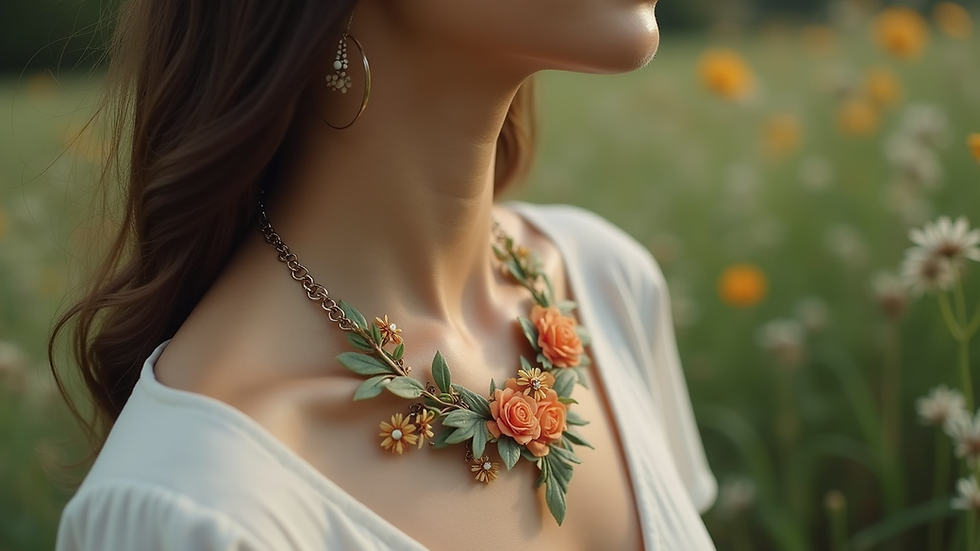
Jewellery has always been a reflection of culture, history, and personal expression. In the UK, a unique trend has emerged that draws inspiration from the natural world. This blog post explores the intricate relationship between nature and British jewellery craftsmanship, showcasing how artisans translate the beauty of the outdoors into stunning wearable art.
The Allure of Nature in Jewellery Design
Nature has an undeniable influence on art and design. From the delicate petals of flowers to the rugged textures of tree bark, the natural world offers a wealth of inspiration. British jewellers have embraced this concept, creating pieces that not only celebrate nature but also tell a story.
Key Elements of Nature-Inspired Jewellery
Organic Shapes: Many designers incorporate flowing lines and asymmetrical forms that mimic the shapes found in nature. This approach creates a sense of movement and fluidity in the pieces.
Natural Materials: The use of materials such as wood, stones, and even plant-based elements adds authenticity to the designs. These materials often carry their own stories and histories, enriching the jewellery.
Color Palettes: Earthy tones and vibrant hues inspired by flora and fauna are prevalent in nature-inspired jewellery. These colors evoke emotions and memories associated with the natural world.
Symbolism: Many pieces feature motifs that hold symbolic meanings, such as leaves representing growth or waves symbolizing change. This adds depth to the jewellery, making it more than just an accessory.
Notable British Artisans and Their Work
Several British artisans have made significant contributions to the nature-inspired jewellery movement. Here are a few noteworthy examples:
1. Alex Monroe
Alex Monroe is renowned for his whimsical designs that often feature intricate details inspired by British wildlife. His collections include pieces shaped like bees, flowers, and even dragonflies, all crafted with a delicate touch. Monroe’s work exemplifies how nature can be transformed into elegant jewellery that resonates with the wearer.
2. Jessica de Lotz
Jessica de Lotz’s jewellery often tells a story, drawing inspiration from the natural world around her. Her pieces frequently incorporate found objects, such as leaves and flowers, which she preserves in resin. This technique not only showcases the beauty of nature but also creates a lasting memory of a moment in time.
3. Megan Auman
Megan Auman’s work is characterized by bold designs that reflect the textures and colors of nature. Her use of metal and stone creates striking contrasts, while her attention to detail ensures that each piece is unique. Auman’s jewellery often features geometric shapes inspired by natural forms, bridging the gap between organic and modern design.
Techniques Used in Nature-Inspired Jewellery
Creating jewellery that reflects the beauty of nature requires skill and creativity. Here are some techniques commonly used by British artisans:
1. Lost Wax Casting
This ancient technique involves creating a model of the jewellery piece in wax, which is then encased in a mold. The wax is melted away, leaving a cavity for molten metal. This method allows for intricate designs that capture the fine details of natural forms.
2. Enamelling
Enamelling is a process where powdered glass is fused to metal through heat. This technique allows artisans to create vibrant colors and textures that mimic the natural world, such as the iridescence of a butterfly’s wings or the depth of a gemstone.
3. Texturing
Many jewellers use texturing techniques to replicate the surfaces found in nature. Hammering, rolling, or using specialized tools can create patterns that resemble tree bark, leaves, or even the ripples of water.
The Role of Sustainability in Nature-Inspired Jewellery
As awareness of environmental issues grows, many British jewellers are committed to sustainable practices. This includes sourcing materials responsibly, using recycled metals, and minimizing waste during production. By prioritizing sustainability, these artisans not only create beautiful pieces but also contribute to the preservation of the natural world they draw inspiration from.
Sustainable Practices to Look For
Recycled Materials: Many jewellers are now using recycled metals and ethically sourced stones to reduce their environmental impact.
Eco-Friendly Packaging: Sustainable packaging options, such as biodegradable materials, are becoming more common in the jewellery industry.
Local Sourcing: By sourcing materials locally, artisans can reduce their carbon footprint and support local economies.
How to Choose Nature-Inspired Jewellery
When selecting nature-inspired jewellery, consider the following tips to find pieces that resonate with you:
1. Personal Connection
Look for designs that evoke a personal connection to nature. Whether it’s a piece that reminds you of a favorite place or a symbol that holds special meaning, choosing jewellery that speaks to you will enhance your enjoyment of it.
2. Quality Craftsmanship
Invest in pieces that showcase high-quality craftsmanship. Look for details such as intricate designs, smooth finishes, and durable materials. Well-crafted jewellery not only looks beautiful but also lasts longer.
3. Versatility
Consider how the jewellery will fit into your wardrobe. Nature-inspired pieces can often be versatile, transitioning from casual to formal settings. Choose items that complement your style and can be worn on various occasions.
The Future of Nature-Inspired Jewellery
As the trend of nature-inspired jewellery continues to grow, we can expect to see even more innovative designs and techniques. The fusion of technology and traditional craftsmanship may lead to exciting new possibilities, such as 3D printing and sustainable materials that mimic natural elements.
Emerging Trends to Watch
Biomimicry: This design approach looks to nature for inspiration, creating jewellery that mimics natural processes and structures.
Smart Jewellery: The integration of technology into jewellery design may lead to pieces that not only look beautiful but also serve functional purposes.
Collaborations with Nature Conservation: More artisans may partner with environmental organizations to raise awareness and funds for conservation efforts through their work.
Conclusion
Jewellery inspired by nature is more than just a trend; it is a celebration of the beauty and complexity of the natural world. British artisans are at the forefront of this movement, creating pieces that resonate with wearers on a personal level. By choosing nature-inspired jewellery, you not only adorn yourself with beautiful art but also support sustainable practices and the stories behind each piece.
As you explore the world of nature-inspired jewellery, remember to look for quality craftsmanship, personal connections, and sustainability. Embrace the beauty of nature in your accessories and let your jewellery tell your unique story.


Comments